Wasps and bees play vital pollination roles in nature, contributing to the delicate balance of ecosystems and conserving the biodiversity we often take for granted. However, amidst their important ecological functions, distinguishing between these winged insects remains a challenge for many. Let’s embark on a journey to unravel the subtle yet crucial differences between wasps and bees. Understanding the significance of this distinction is not merely an entomological exercise; it is a necessity grounded in the profound impact these insects have on our surroundings.
It is a matter of practical importance, influencing our interactions with these insects and shaping our approaches to environmental conservation. By peeling away the layers of confusion, we uncover a wealth of knowledge that empowers us to coexist harmoniously with these fascinating insects. Join us as we delve into the world of wasps and bees, where perception meets precision and the importance of accurate identification becomes clear.
Physical Characteristics of Wasps and Bees
Body Shape and Size
1. Comparison of Wasp and Bee Body Structures
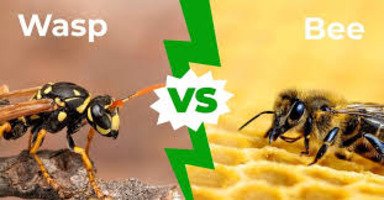
When distinguishing between wasps and bees, a fundamental aspect lies in their body shapes. Wasps typically exhibit a slender and smooth physique, with a narrow waist connecting the thorax and abdomen. In contrast, bees often showcase a more robust and hairy appearance, with a broader waist. This dissimilarity in body shapes serves as a primary visual cue for differentiation.
2. Notable Variations in Size Among Different Species
In wasps and bees, a remarkable diversity exists in terms of size. Wasps, with their sleek bodies, can range from diminutive species measuring a few millimetres to larger varieties spanning several centimetres. Bees, on the other hand, encompass an even broader spectrum, from tiny solitary bees to the larger, more social species like honeybees and bumblebees. Understanding these size variations contributes significantly to accurate identification in the field.
Coloration and Markings
1. Overview of Color Patterns in Wasps and Bees
The vibrant hues adorning the bodies of wasps and bees offer valuable insights into their identification. Wasps often exhibit bold patterns of black, yellow, or brown, with some species showcasing metallic sheens. Bees, on the contrary, display a broader spectrum of colours, including various shades of yellow, brown, black, and even red. Understanding the general colour patterns provides a foundational understanding for differentiating between these two groups of insects.
2. Specific Features that Aid in Identification
When it comes to colouration, various traits serve as crucial identifiers for accurate identification. For instance, honeybees are known for their distinctive black and yellow striped abdomens, while certain wasp species may sport intricate facial markings or unique colour arrangements on their thorax. Recognising these nuanced details enhances our ability to pinpoint and distinguish between individual wasp and bee species, fostering a deeper appreciation for the intricate beauty of these insects.
Understanding the body shapes, sizes, colouration, and markings is a crucial step in unravelling the mystery of wasps and bees. As we explore these physical characteristics, we lay the foundation for a more informed and accurate identification process, setting the stage for a deeper exploration into the lives of these fascinating insects.
Understanding the Wing Structure of Wasps and Bees
Examination of Wing Size and Shape
The wings of wasps and bees, though serving a common purpose of flight, reveal distinctive differences upon closer inspection. Wasps typically boast elongated wings that are folded lengthwise when at rest. Their slender and tapered appearance contributes to the wasp’s agility in the air.
In contrast, bees generally have shorter and more rounded wings. Understanding these variations in size and shape provides an immediate visual clue for differentiating between these two groups of flying insects.
Differences in Wing Venation Between Wasps and Bees
Beyond mere size and shape, the intricate network of veins, or venation, on the wings offers another layer of distinction. Wasps typically have more pronounced and well-defined venation, with distinct cells and cross-veins.
Bees, on the other hand, exhibit less conspicuous venation, and their wings often appear more membranous. These subtle differences in wing structure can be a valuable tool for enthusiasts and researchers alike when seeking to identify a particular insect in flight.
Behavioural Observations Related to Wing Use
The functionality of wings extends beyond mere flight; it also reflects the distinct behaviours of wasps and bees. Observing their flight patterns and wing usage can offer insights into their lifestyles. Wasps are renowned for their agile and darting flight, often characterised by sudden stops and turns. They deploy their wings not just for transportation but also for hunting and territorial displays.
Bees, in contrast, exhibit a more deliberate and buzzing flight pattern. Their wings are not only tools for pollination but also play a crucial role in their complex communication dances within the hive.
As we learn the intricacies of their flight, we gain valuable clues that aid in their identification, enhancing our appreciation for the evolutionary adaptations that have shaped these remarkable insects.
Behavioural Traits of Wasps and Bees
Nesting Habits
Wasps demonstrate varied nesting habits reflective of their diverse species. Social wasps, like yellow jackets and hornets, construct intricate paper-like nests suspended from branches or structures. These colonies, organised with queens, workers, and drones, exhibit a hierarchical structure. Solitary wasps, exemplified by mud daubers, create individual mud nests. Nesting locations range from sheltered areas to concealed spots in the ground. The defensive behaviour of social wasps is linked to nest protection.
Bees, too, showcase diverse nesting behaviours. Solitary species, such as mason bees, create individual burrows in the ground or hollow stems. Social bees, like honeybees and bumblebees, build complex hives of beeswax with hexagonal cells. Nesting locations and materials vary, emphasising each species’ intricate biology and unique contributions to the ecosystem.
Feeding Preferences
The feeding preferences of wasps and bees are notably distinct. Wasps are predominantly carnivorous, preying on insects and spiders and scavenging for carrion to feed their colonies. Some wasp species, however, also exhibit nectar-feeding behaviour.
Bees, in contrast, primarily subsist on a diet of pollen and nectar collected from flowers. Bees play a crucial role as pollinators in ecosystems, equipped with specialised mouthparts for nectar extraction and pollen baskets on their hind legs for efficient transport. Their feeding habits contribute significantly to the reproduction of flowering plants, making them essential for the health of both natural environments and agricultural landscapes.
The diverse dietary preferences of these insects underscore their ecological roles and the interconnectedness of their behaviours with the broader ecosystem.
Social Structure and Behaviour of Wasps and Bees
Hierarchy and Roles in a Wasp Nest
A wasp nest operates under a clear hierarchy. At the top is the queen, responsible for laying eggs and maintaining order through pheromones. Workers, predominantly female, handle tasks like foraging and nest maintenance. Male wasps, or drones, have the singular role of mating with new queens. This structured division of labour ensures the colony’s functionality.
As the colony prospers, new colonies are established through mated queens, completing the cyclical process of the wasp nest. Understanding this hierarchy unveils the collaborative efforts within a nest, showcasing the efficiency of their social organisation.
Roles of Worker Bees, Drones, and the Queen
In a bee colony, each member plays a vital role in contributing to the overall functionality of the hive. The fertile female queen bee is the central figure responsible for laying eggs and emitting pheromones that maintain hive cohesion. Worker bees, which are female and sterile, perform multifaceted roles, including foraging for nectar and pollen, tending to the hive, and caring for the developing brood.
Worker bees also defend the hive against potential threats. Drones, male bees, have a singular purpose: mating with a virgin queen during the reproductive phase. Once this task is fulfilled, drones contribute little to hive activities. The queen, workers, and drones together form a finely tuned social structure, highlighting the collaborative efforts essential for the success and survival of the bee colony.
Common Mistakes in Identifying Wasps and Bees
Distinguishing between wasps and bees is a nuanced task that often falls prey to common misconceptions. Here are common mistakes to avoid in identifying Wasps and Bees:
- Colouration Misconceptions – Relying solely on colouration can be misleading, as some wasp species mimic bees with similar black and yellow patterns.
- Assuming Aggressiveness Equals Wasps – Assuming all aggressive stinging insects are wasps is an error, as certain bee species, particularly honeybees, can also exhibit defensive behaviour.
- Nesting Habit Misconceptions – Misconceptions about nesting habits may lead to misidentification; while many wasps build exposed paper nests, some bees nest in the ground or pre-existing structures.
- Overlooking Size Variations – Overlooking size variations within species are common; not all wasps are larger than bees, and some bees can be comparable in size.
- Neglecting Regional Variations – Neglecting regional variations in species composition can lead to misidentifications, as different regions host diverse species with distinct characteristics. Avoiding these common mistakes is crucial for accurate identification and a deeper understanding of these essential pollinators.
Conclusion
The importance of accurately identifying wasps and bees in the ecosystem cannot be overstated. Proper identification is not only a matter of understanding the intricacies of these insects but also crucial for informed coexistence. Beyond the fascination with their biology, distinguishing between wasps and bees is essential for implementing effective bee and wasp control measures, particularly when faced with infestations that require professional intervention.
Experts like Pest Control Melbourne, with our specialised knowledge and tailored approaches, play a pivotal role in addressing pest-related challenges. As we navigate the world of buzzing pollinators, let us underscore the significance of precise identification and the role of professionals in preserving the delicate balance between our habitats and these essential contributors to our ecosystems.